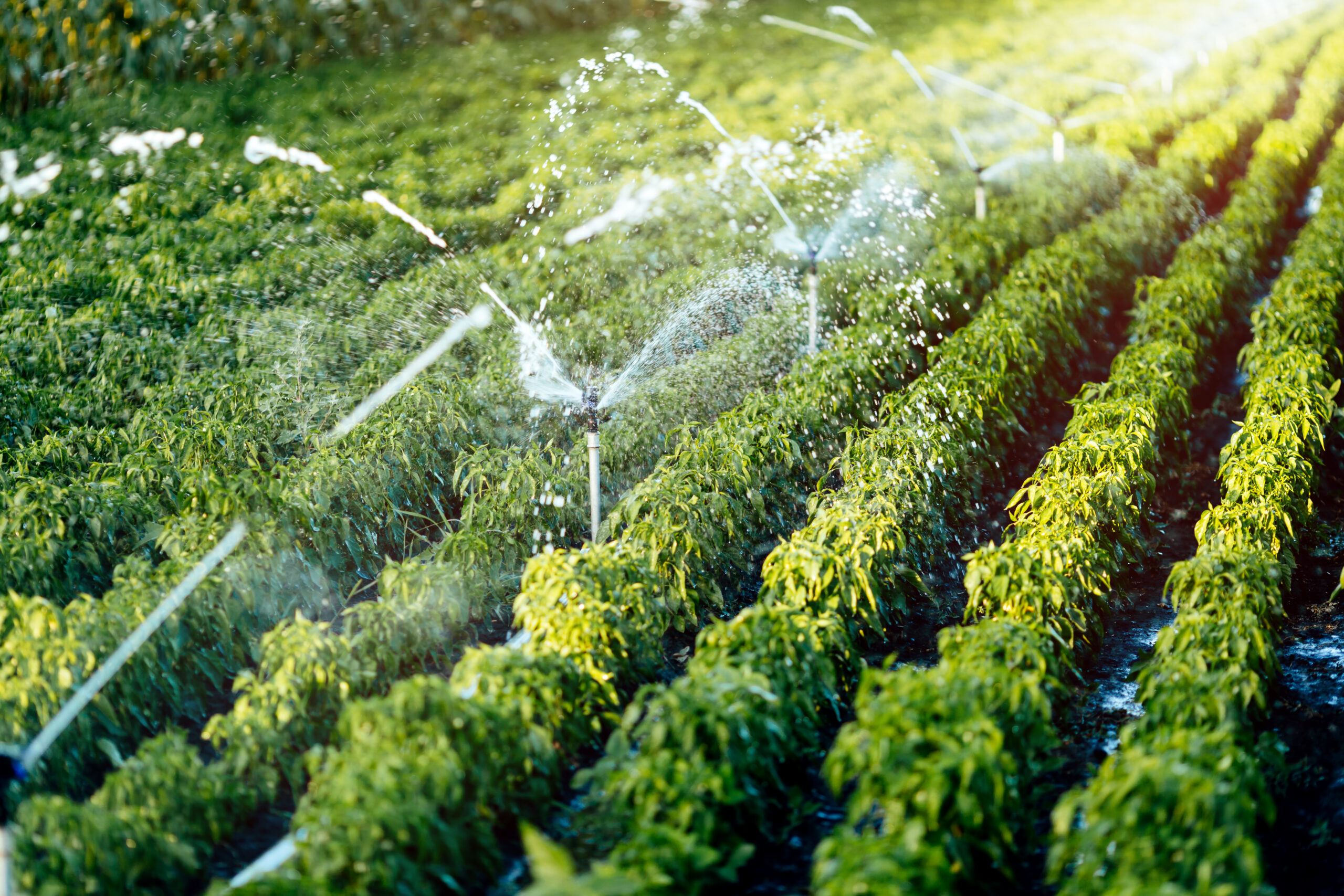

When it comes to farmland, not all soil is equal.
Some areas are ideal for growing crops year after year, and others require a lot more work to produce the same results. As Dixon has grown in the past, and continues to grow into the future, there have been and will continue to be impacts to the farmland that surrounds the entire City. That’s why soil quality is an important part of any conversation about development and preservation.
For Harvest at Dixon, an independent third party conducted a detailed soil survey of the property to better understand exactly what types of soil are on site and how productive they are. The Harvest team has also been working closely with agricultural consultants and the current farm operators to get real-world insight and to explore thoughtful mitigation strategies.
What we learned
What we’ve heard from several agricultural experts is that much of the very best soil in the Dixon area was developed decades ago. The acreage within the Harvest project site is generally considered moderate in quality for annual crops, meaning it often requires significant inputs and amendments, while still producing below-average yields.
Even with that in mind, the team continues to work with members of the agricultural community to avoid prime farmland wherever possible. The goal is to be responsible stewards of the land while also planning for Dixon’s future and the housing needs of our growing community. That’s why Harvest at Dixon was proposed at the current location, to avoid some of the best farmland while addressing major infrastructure needs like drainage.