To The Point!
Community Facts and Clarifications
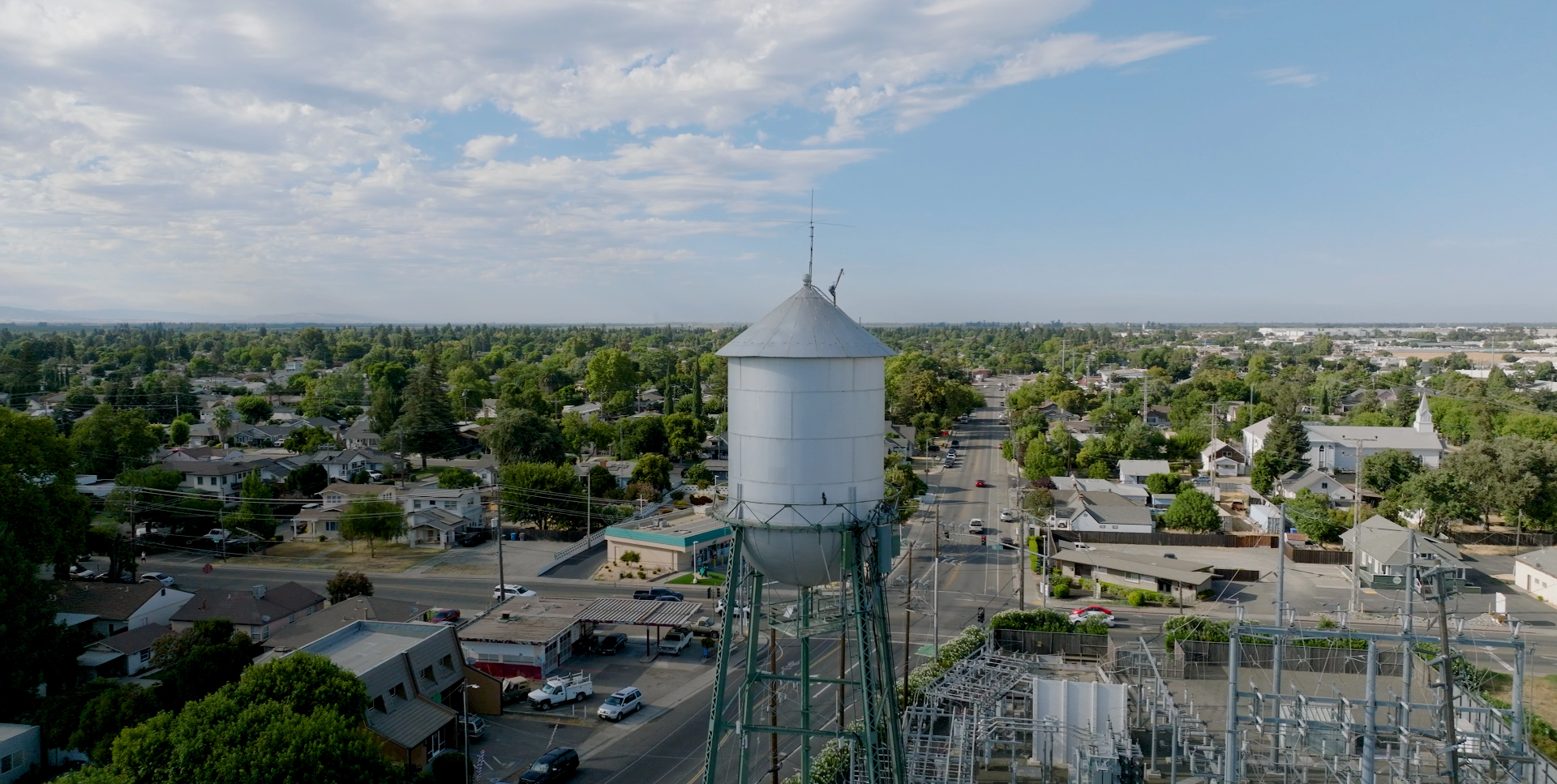
Infill Development Part 1: Why can't Dixon just fill in the gaps?
It sounds simple enough. Dixon has vacant lots. Why not build there before expanding outward?
The simple answer is that most of those parcels aren’t as ready as they look. Some are too small. Some lack utility connections. Some need extensive environmental cleanup before a shovel touches the ground. What looks obvious on a map often takes years and significant cost before a single family moves in.
There’s also the neighborhood reality. Infill construction inside existing communities brings years of disruption to people already living there. And because the sites are small and scattered, they rarely include the parks and open space that make a neighborhood feel like one.
Cities also tend to overestimate what infill can deliver. Smaller projects cost more per home, take longer, and produce fewer units than projected. In Dixon, where roads, drainage, and water systems already face limitations, adding density without coordinated infrastructure investment puts strain on people who are already here.
Infill has a role. It just can’t carry Dixon’s housing needs on its own.
Next month we’ll look at where Dixon’s housing numbers come from and what they mean for the community’s future.

Infill Development Part 2: Infill Development Where does Dixon's housing number come from?
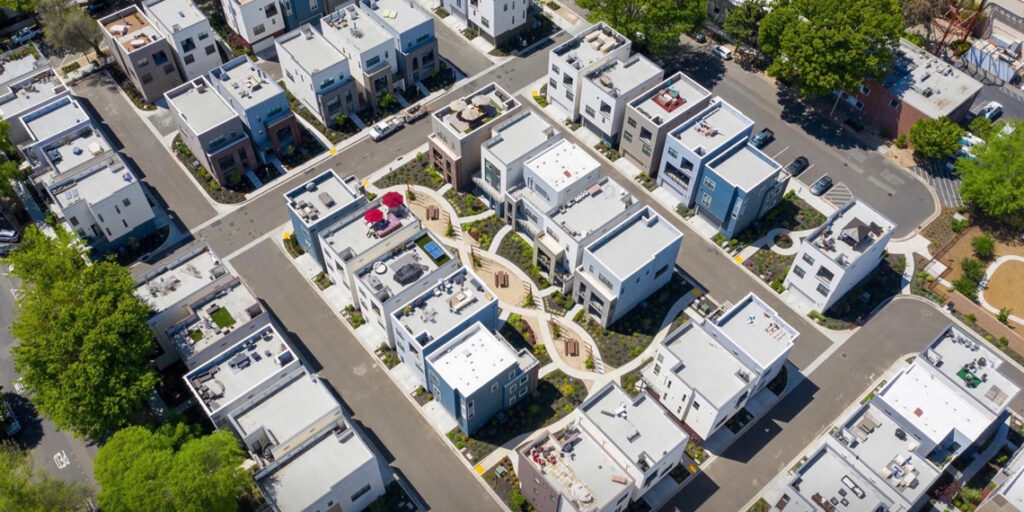
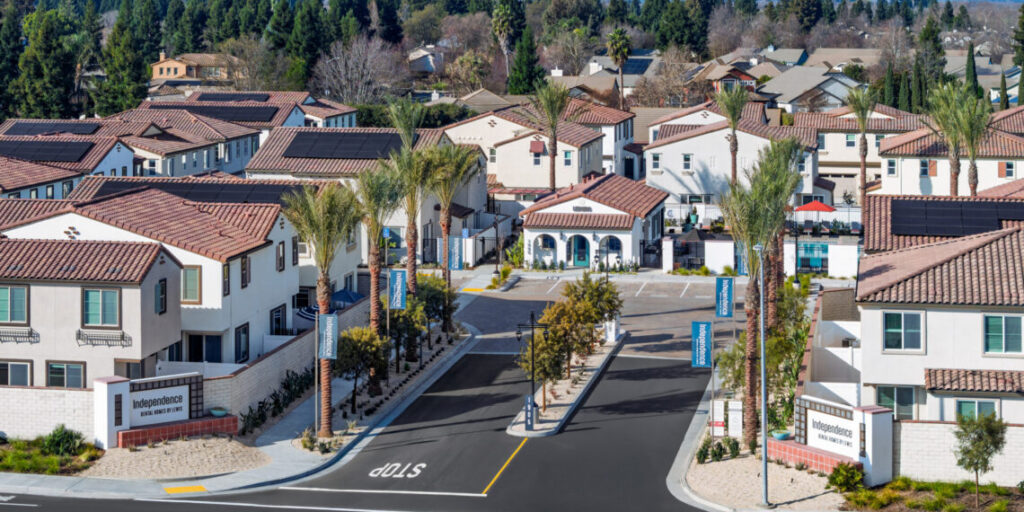
Lewis Group of Companies has developed several infill communities throughout Northern California, including The Creamery at Alkali Flat in Sacramento, 700 Parc in Vacaville, and Independence in Dixon. While these developments have helped address the region’s growing housing needs by revitalizing underutilized sites, we recognize that infill development can impact existing neighborhoods.
Construction often happens directly within established communities, possibly bringing years of disruption from traffic, parking impacts, and road closures. Infill projects can also place added pressure on aging infrastructure like roads, drainage, and water systems before upgrades can be made. And because many infill sites are small and scattered, they rarely include the parks, trails, or community amenities that larger planned neighborhoods can provide. In addition, master-planned communities rarely have undeveloped areas that require future infill development to complete the neighborhood.
Many cities often overestimate how much housing can realistically be delivered by infill projects. Smaller projects often take longer to complete, cost more per home, and produce fewer units than initially projected. In communities like Dixon, where infrastructure systems already face limitations, adding density without major upgrades can create additional strain on the community resources. Zoning and development rules may also need significant updates before large-scale infill becomes realistic.
Infill Development Part 3: What does planning ahead look like?
Communities like Harvest are designed differently than infill projects. Infrastructure, parks, public facilities, and services are planned and funded alongside new homes from the very beginning, so current residents aren’t asked to pay for those new objects.
Development impact fees paid by builders fund those improvements directly. Instead of scattered projects appearing across existing neighborhoods on vacant or underused lots, new housing is concentrated in areas intentionally designed to support it, with roads, drainage, water, and open space built in at every phase.
That coordinated approach also makes housing more attainable. By increasing supply through planned development rather than piecemeal projects, communities can create more options for families without overwhelming the neighborhoods people already love.
Instead of piece meal planning, Harvest is planned to build steadily over time, helping align new housing with infrastructure investments every step of the way.
Dixon is hosting more community conversations. Here is how.
Dixon residents deserve a say in how their community grows. That’s why Harvest at Dixon, along with Lombardo Ranch and The Campus project, has stepped forward to help make the City of Dixon’s community outreach sessions possible.
Here’s what that looks like in practice:
- The City of Dixon set the agenda, determined the format, and is running the sessions.
- Harvest and our partners are helping cover the costs so Dixon can host more sessions and reach more residents.
- No local tax dollars are being spent to make these sessions happen.
- Dixon families get more opportunities to ask questions, share concerns, and weigh in before decisions are made.
Dixon’s future should be shaped by the people who live here. A project of this scale deserves ongoing public conversation and straight answers from your local government, not just a planning document most people will never read.
If you want to learn more or share your thoughts, the City’s outreach sessions are open to everyone. Visit the Dixon Grown website for more information.
We hope to see you there.

How New Schools Are Funded in Dixon
Under California law:
- School districts are authorized to charge development impact fees.
- Developers are required to pay those fees as a condition of building permits.
- The fees can only be used for school facilities related to growth (not maintenance or modernization of existing schools).
Specifically:
- School site decisions are made by the Dixon Unified School District. The location, timing, and construction of new schools are determined solely by the District based on enrollment projections and long-term planning.
- Harvest at Dixon is legally required to fund new school facilities. State law mandates that developers pay impact fees to help build new schools needed to serve growth.
- Developer fees are restricted to growth-related construction. By law, these funds can only be used to build new classrooms and schools. They cannot be used for maintenance, repairs, or upgrades to existing campuses.
- New school construction fees are paid by new development, not existing residents. These impact fees are generated by new homes and are specifically designed so that growth helps fund the infrastructure it requires.
- We have been meeting with Dixon Unified School District in conversations about broader community needs. While maintenance funding is not mandated by State law, the Harvest at Dixon team has met with the School District to better understand current facility needs and explore ways to be a collaborative community partner.